
- 网站导航 -
Address: Home > Blogs > Company News >
Typical Troubleshooting for Flange, Tee, and Elbow Installation in Petrochemical Pipeline Networks
Time:2026-06-26 04:40:57 Author:Fengmei Clicks:138Second-rate
Typical Troubleshooting for Flange, Tee, and Elbow Installation in Petrochemical Pipeline Networks
Petrochemical pipeline systems operate under demanding conditions involving high pressure, elevated temperatures, corrosive media, and continuous operation. Flanges, tees, and elbows are among the most frequently installed fittings, and their installation quality directly influences the safety, efficiency, and service life of the entire piping network. Even minor installation errors can lead to leakage, excessive vibration, premature fatigue, or costly shutdowns. A systematic troubleshooting approach helps identify installation problems before they become operational failures.
Flange Misalignment
Improper flange alignment is one of the most common installation issues. Misaligned flanges create uneven gasket compression, resulting in leakage during pressure testing or normal operation. Common causes include inaccurate pipe positioning, inadequate support during assembly, thermal expansion stress, or poor fabrication tolerances. Installers should verify flange parallelism, concentricity, and bolt-hole alignment before tightening bolts. Using temporary alignment tools and checking dimensions with precision instruments significantly improves installation accuracy.
Uneven Bolt Tightening
Leakage frequently occurs when flange bolts are tightened unevenly or in the wrong sequence. Applying excessive torque to one side compresses the gasket unevenly and may distort the flange faces. Bolts should always be tightened using a calibrated torque wrench following a cross-pattern sequence and multiple tightening stages. Proper lubrication of bolt threads also helps achieve accurate preload and reduces friction-related inconsistencies.
Gasket Installation Problems
Incorrect gasket selection or improper installation often leads to sealing failure. Using a gasket with the wrong material, pressure rating, or dimensions can reduce sealing performance, especially in aggressive petrochemical environments. Damaged or contaminated gasket surfaces further increase leakage risk. Before installation, technicians should inspect gasket condition, ensure clean flange faces, and verify compatibility with the process fluid, operating temperature, and pressure class.
Tee Connection Defects
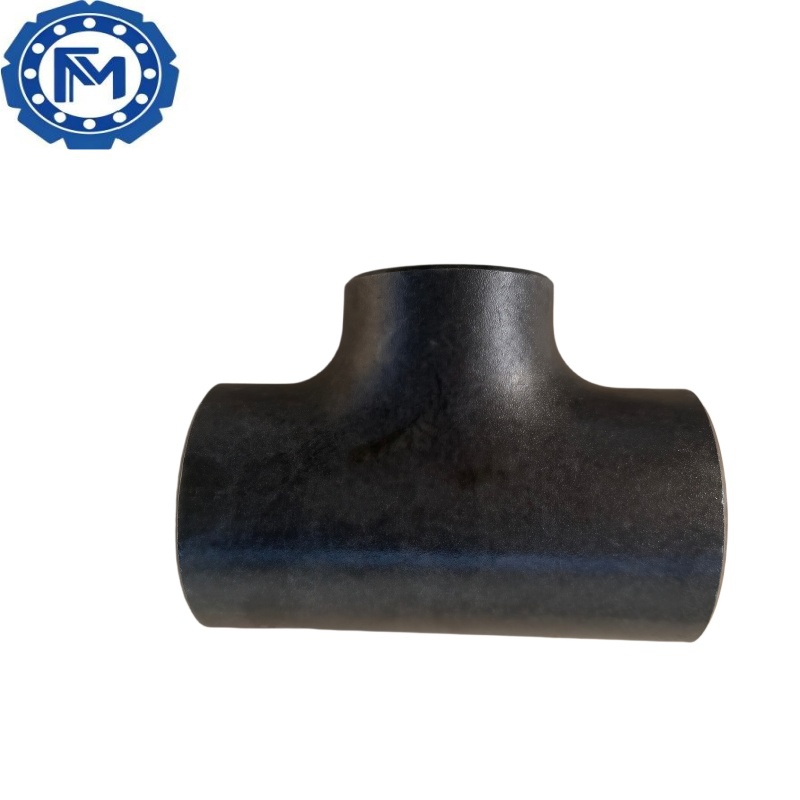
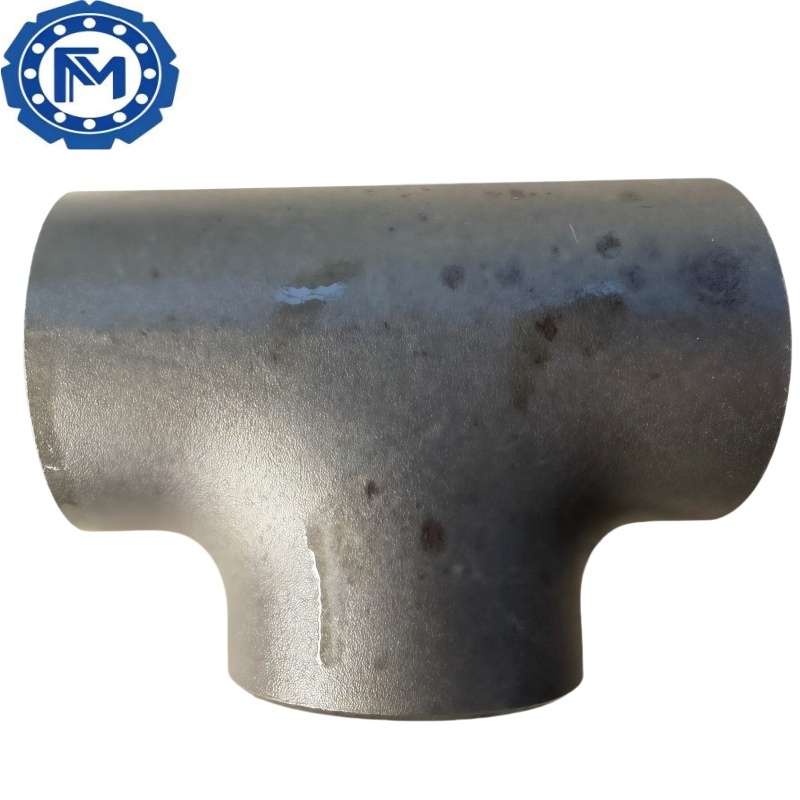
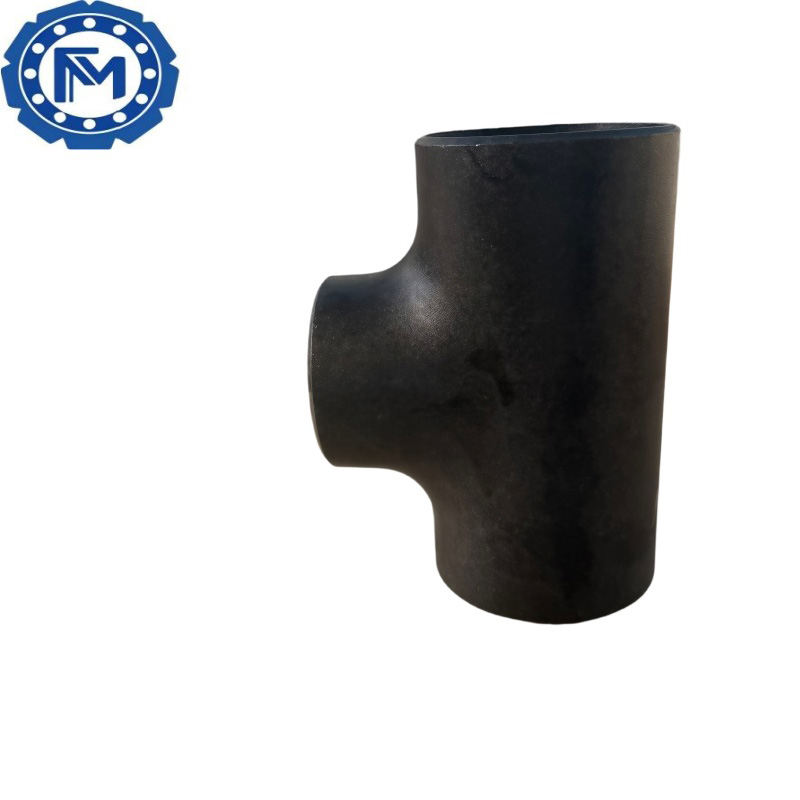
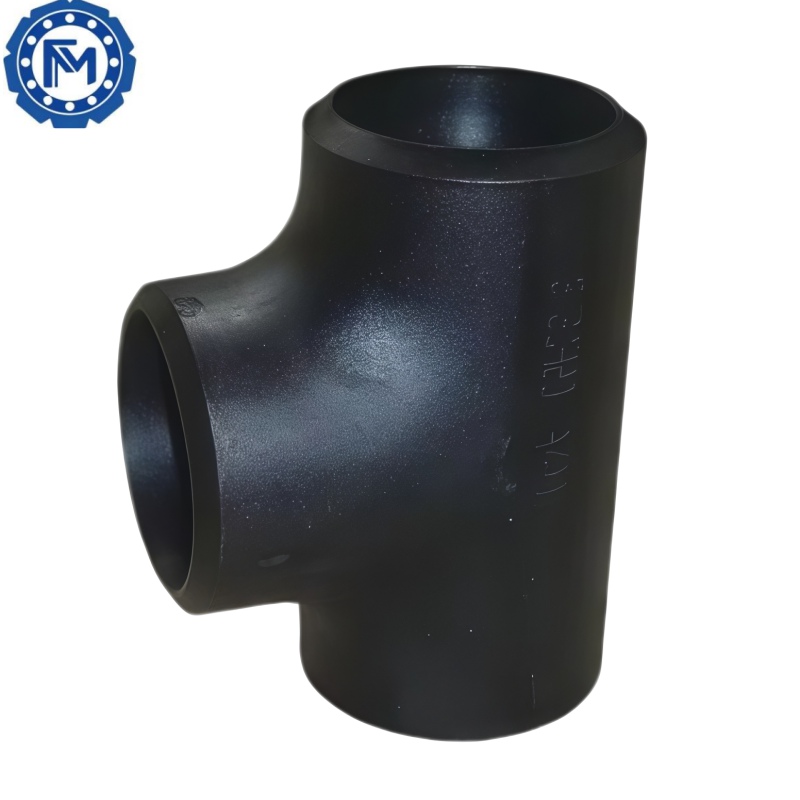
Tees distribute or combine fluid flow and therefore experience complex stress conditions. Installation problems commonly include branch misalignment, excessive welding distortion, and improper reinforcement. If the branch connection is not positioned accurately, additional stress may be transferred to adjacent piping and equipment. Welds around branch joints should be visually inspected and, where required, examined using non-destructive testing methods to ensure structural integrity.
Elbow Installation Errors
Pipe elbows change flow direction and are subjected to internal pressure, flow-induced vibration, and thermal expansion forces. Incorrect elbow orientation, inadequate support, or excessive weld shrinkage may generate high stress concentrations. Improper installation can also create turbulence, pressure loss, and erosion, particularly in high-velocity process lines. Accurate orientation according to isometric drawings and sufficient pipe supports help minimize these risks.
Welding-Related Installation Issues
Poor welding practices remain a major source of installation failures in petrochemical piping. Typical defects include incomplete penetration, lack of fusion, porosity, slag inclusions, and excessive weld reinforcement. These imperfections reduce mechanical strength and increase the likelihood of leakage under cyclic loading. Qualified welding procedures, certified welders, controlled preheating, and post-weld inspection are essential for ensuring reliable joints.
Pipe Support and Thermal Expansion Problems
Even correctly installed fittings may fail if pipe supports are improperly positioned or thermal movement is ignored. Insufficient support allows excessive vibration and displacement, while over-constrained systems generate additional stress on flanges, elbows, and tees. Expansion loops, sliding supports, spring hangers, and expansion joints should be installed according to design calculations to accommodate thermal growth without overstressing piping components.
Pressure Testing and Final Inspection
After installation, hydrostatic or pneumatic pressure testing verifies the integrity of the entire pipeline system. Any leakage around flanges or welded joints should be corrected before commissioning. Final inspections should include dimensional verification, bolt torque confirmation, weld examination, support inspection, alignment checks, and documentation review. A comprehensive quality assurance process significantly reduces the likelihood of unexpected failures during operation.
Preventive Best Practices
Preventing installation problems begins with accurate engineering design, high-quality components, proper storage, and strict adherence to installation procedures. Regular technician training, calibrated installation tools, detailed inspection records, and compliance with recognized international standards improve installation consistency and long-term reliability. Routine maintenance and periodic inspections after commissioning further help detect early signs of wear, corrosion, or loosening before they develop into critical failures.
References
ASME B31.3 – Process Piping.
ASME B16.5 – Pipe Flanges and Flanged Fittings.
ASME B16.9 – Factory-Made Wrought Buttwelding Fittings.
API 570 – Piping Inspection Code.
ISO 9001:2015 – Quality Management Systems – Requirements.